TDP-43: The Surprising Link Between Dementia and Cancer

The TDP-43 Bridge (Dementia and Cancer)
Historically, medicine has treated neurodegenerative disease and cancer as opposite problems. 

In conditions such as Alzheimer’s disease, ALS, and frontotemporal dementia, cells die too soon; in cancer, cells refuse to die — and grow out of control.

These appear to be opposite biological problems. (At first glance, anyway.)

But… researchers are increasingly discovering that diseases we once thought were unrelated may actually have similar explanations — or even the same underlying cellular vulnerabilities.

New research from Houston Methodist suggests that these two “opposites” — dementia and cancer — may share a common root. 
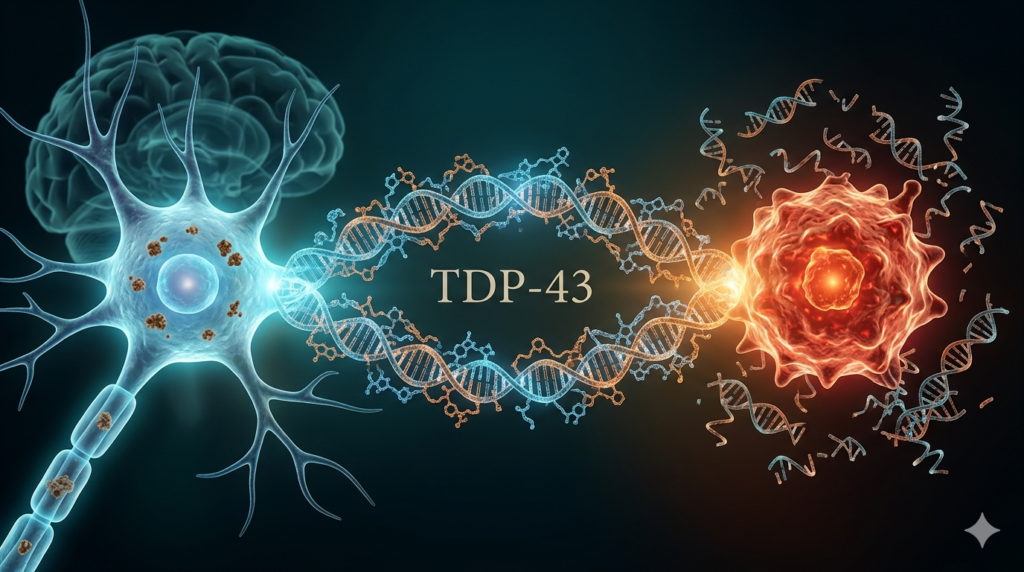
The factor being singled out is a protein called “TDP-43.”

For years, researchers have recognized abnormal TDP‑43 accumulation as a major pathological feature in ALS and frontotemporal dementia — 

…though its exact role in disease progression has remained unclear. 

Suffice it to say that, if doctors find it clumped up in the wrong place in the brain, it’s interpreted as a sign of impending trouble. 

But we didn’t have a clear picture of why it was there or what it was actually doing. 

As it turns out, this protein appears to play an important supervisory role in how our bodies repair DNA damage.

Today, we’re going to look at how a “glitch” with this one protein “supervisor” can contribute to the breakdown of the brain on one hand, or to the growth of a tumor on the other.

[Video placeholder]

To understand this TDP business, we need to talk about how your body handles its “instruction manual” — your DNA.

Every time your cells divide, they have to copy billions of lines of genetic code. It’s like a clerk typing out a massive book by hand. Inevitably, the clerk is going to make typos. You might get an “A” where there should be a “T.”

Healthy bodies have a “Proofreading System” (scientifically called Mismatch Repair). 

Technically, “proofreading” happens during replication in real-time; whereas, mismatch repair is a sort of after-the-fact damage control. 

But, in general, this system scans the code, finds the typos, and swaps them out for the right DNA “letters.”

TDP-43 appears to help regulate parts of that proofreading system.

It doesn’t just do the proofreading; it helps coordinate when repair processes activate and how they function. When this system is balanced, your DNA stays more stable. 

But the Houston Methodist study found that when TDP-43 becomes dysregulated, the whole system can begin to break down.

Let’s look at this a little more closely.

ALS and FTD
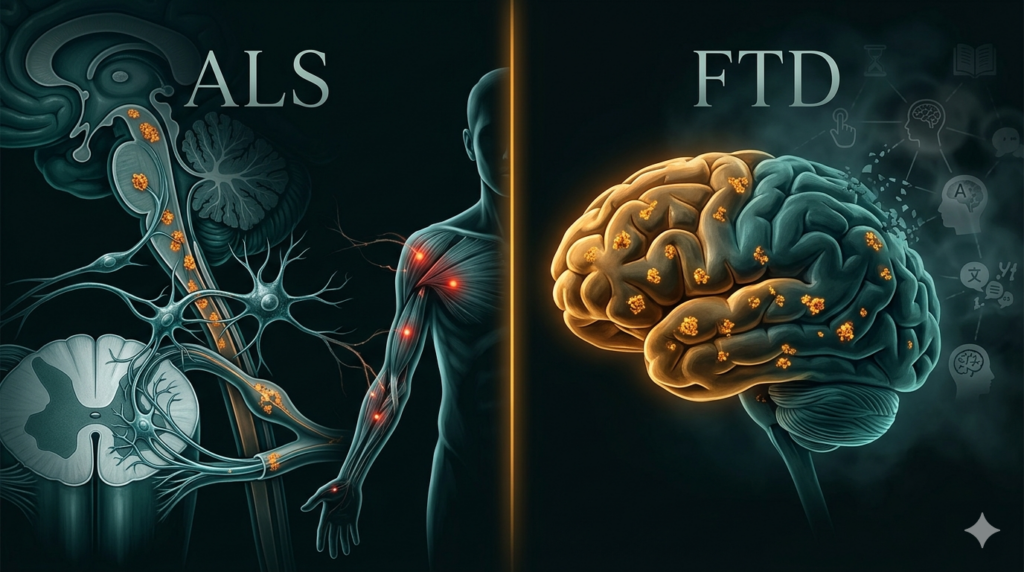
What actually happens in the brain? 

Scientists have discussed two cases. The fits concerns the neurodegenerative motor-neuron disease known as amyotrophic lateral sclerosis, “ALS,” or — as I grew up hearing about it — “Lou Gehrig’s disease.” The second case study is frontotemporal dementia, or “FTD” — the latter has been in the news over the last few years due to the tragic diagnosis of famed Hollywood actor Bruce Willis, as we have discussed in other material. [Insert appropriate link(s).]

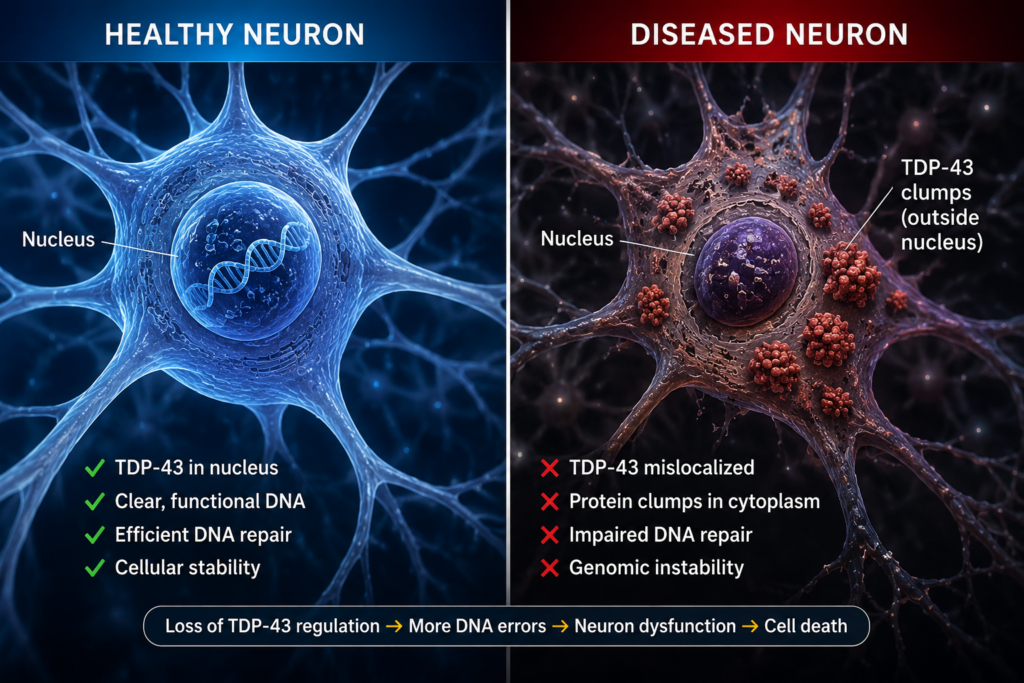
TDP-43 functions as a kind of DNA “Manager.” But, in ALS and FTD this Manager malfunctions. 

It stops being where it’s supposed to be (namely, within the nucleus) and it starts clumping together in the “hallways” of the cell. This is the “Missing-Manager” scenario.

When the “manager” is missing or displaced, the repair system can become less coordinated and less reliable. This may allow more errors than usual to creep in, and for instability to build up over time — which, in turn, renders the neuron’s DNA volatile. 
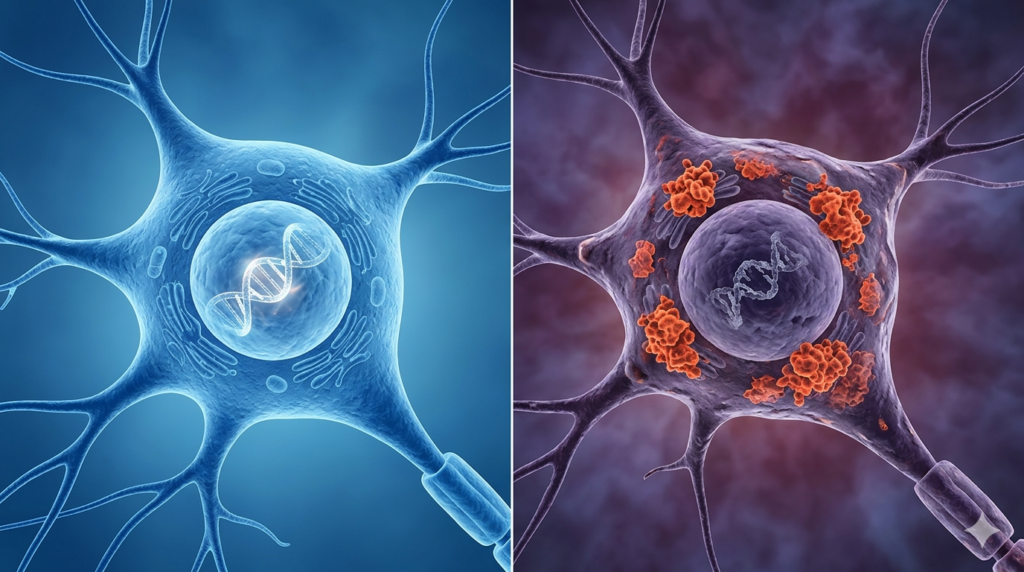
Over time, the cell can’t function because its “instructions” are full of errors. 

Eventually, the cell gives up and dies. This mass “cell death” is what causes the symptoms of dementia — memory loss, loss of motor skills, and overall cognitive decline.

Now, let’s look at another side of the TDP-43 problem.

Cancer
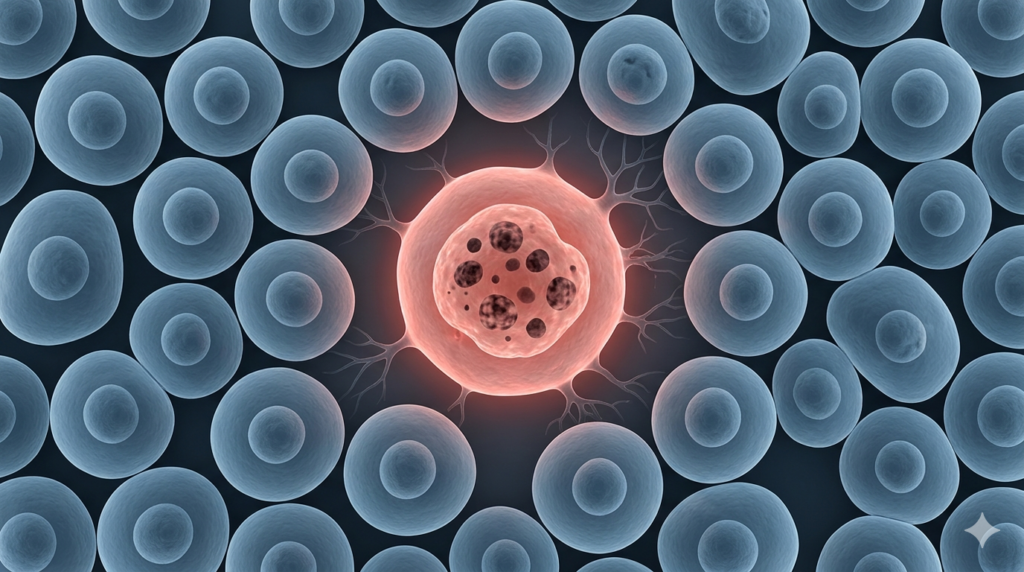
Cancer is, at its core, a disease of corrupted instructions. Mutations can push cells to keep dividing, to ignore normal limits, and to survive when they shouldn’t.

The Houston Methodist team looked at large databases of cancer patients and found something striking: in many tumors, there is an over-abundance of TDP-43.

Call this the “Manager-in-Overdrive” scenario.

When there is too much TDP-43, the proofreading department may become imbalanced. This loss of equilibrium can — once again — allow genetic errors to accumulate more rapidly.

By looking at these tumors, researchers found that high levels of TDP-43 were associated with a higher “mutational burden” in multiple cancer types. 

This basically means that a particular cancer is changing and evolving quickly.
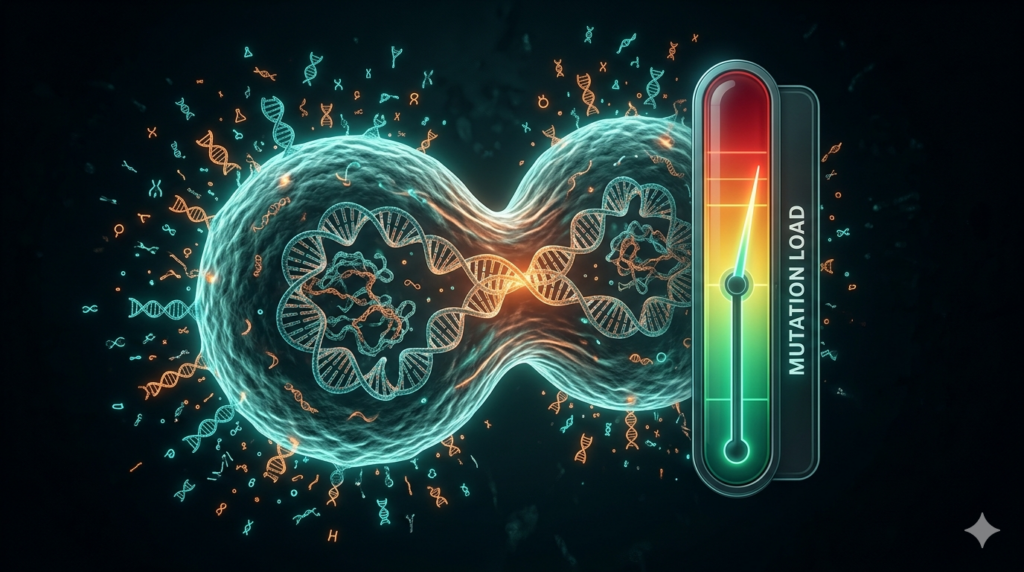
Tumors with high mutation rates can become harder to treat because they may evolve in such a way as to develop resistance to chemotherapy or to evade the body’s immune responses.

So, while too little TDP-43 may contribute to the death of brain cells, abnormally high TDP-43 activity may contribute to tumors growing faster and becoming harder to treat.

This might sound like a “lose-lose” situation, but for scientists, this is actually an incredible opportunity. Before this discovery, we were trying to fix dementia and cancer using completely different tools.

Now that we know (or, at least, highly suspect) that TDP-43 and DNA repair may sit near the center of both processes, we have a potentially unified experimental target.

The findings suggest that restoring balance to these repair pathways could become a future therapeutic strategy. The aim would be to maintain TDP-43 in a sort of “Goldilocks zone”: not too much, not too little.
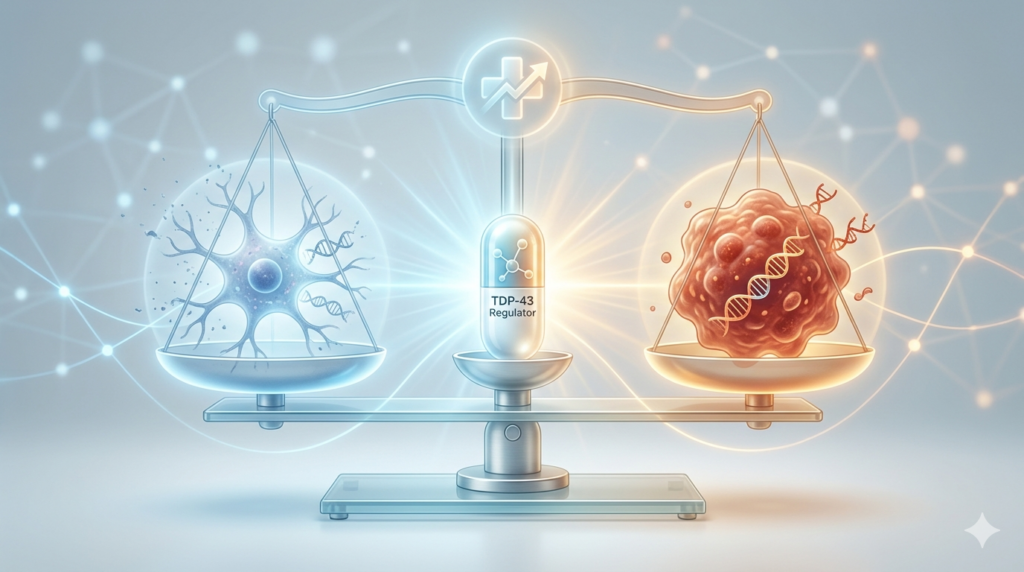
  • In the brain, this could mean protecting neurons by helping keep their DNA stable.
  • In cancer, this could mean slowing down the tumor’s ability to mutate, potentially making it easier to treat or more susceptible to a range of traditional therapies.

Caveats and Disclaimers
It’s important to note that this research is still in an early stage, and it’s focused primarily on understanding the underlying biology rather than testing new treatments in patients.

Additionally, both “cancer” and “dementia” are generic terms. This is to say that they range over an assortment of discrete — and, often, highly varied — conditions. 

To put it another way, neither “cancer” nor “dementia” is just one, single condition.

Therefore, even if this TDP‑43 mechanism does prove important in — say — ALS and FTD, it does not automatically follow that it explains other dementias, including Alzheimer’s disease.

That said, we are starting to see the beginning of “cross-over” medicine. 

Scientists are now looking at whether certain drugs used in cancer research could eventually be modified to help dementia patients — or vice versa. 

The big takeaway here is that our bodies are incredibly interconnected. 

A protein that we thought only mattered for brain health turns out to be deeply involved in protecting the integrity of our genetic code.

By understanding how TDP‑43 helps regulate DNA repair, researchers may eventually develop treatments that target deeper cellular mechanisms rather than addressing symptoms alone. 

Eventually, we may learn how to restore balance to the dysfunctional systems that could be at the center of both cancer and dementia.

The lesson may not be that TDP-43 is “good” or “bad.” Rather, it’s that our biology appears to require a very narrow balance. 

Too little may destabilize DNA repair in one direction. Too much may destabilize it in another.

It’s a reminder that in biology — as with a lot of other things in life — balance can be key.
 Now, there are plenty of details that I have ignored. And, frankly, many of them may be beyond my ken. But if you want to dive deeper into the technical specifics of the study — I’ve linked the full article from the journal Nucleic Acids Research in the description below.

As a reminder, this channel is mainly focused on the health and science topics relevant for Alzheimer’s Proofing your diet, lifestyle, and — for caregivers — your home environment.

And on that note, I wish you all the best in whatever scenario you find yourself.

Thanks for reading! Don’t forget to check out the YouTube version!

Sources

Nose-Picking Linked to Alzheimer’s?

Could Nose-Picking Raise Alzheimer’s Risk?

Introduction: Surprising Links

Given the research we do for this channel, I am no stranger to surprising, sometimes controversial—and occasionally disgusting—claims regarding Alzheimer’s disease.

In a previous video, we explored how something as mundane as earwax buildup—or, more technically, cerumen impaction—could lead to hearing loss and, by extension, cognitive decline.

Today, we’re looking at a physical habit.

It’s often dismissed as a minor social faux pas—and was even the subject of jokes in an old Seinfeld episode. But recent research suggests this common behavior might create a pathway for certain pathogens to reach the brain.

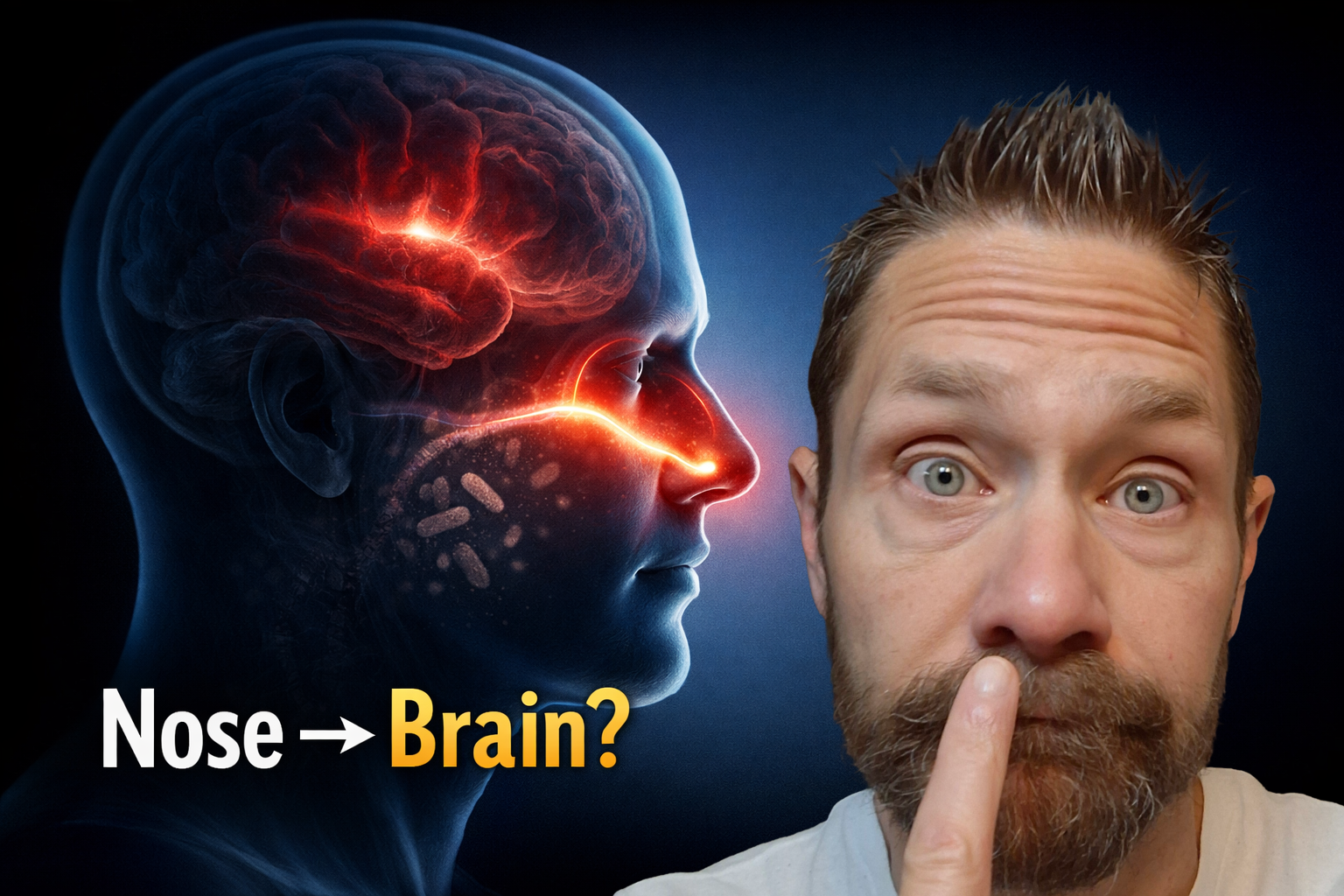
We’re talking about nose-picking—and its potential link to late-onset dementia.

For the companion video, see here:


The Griffith University Study

A team of researchers at Griffith University in Australia published a 2022 study in the journal Scientific Reports. They focused on a bacterium called Chlamydia pneumoniae.

This common airborne bacterium—sometimes called the Taiwan Acute Respiratory Agent—is primarily known for causing bronchitis and pneumonia. However, it has also been detected in a significant number of human brains affected by late-onset dementia.

Using mouse models, the researchers tracked how this bacterium travels. What they found was striking: it can move along the olfactory nerve—from the nasal cavity directly into the brain.

In these models, infection reached the central nervous system within 24 to 72 hours. Once inside, it triggered amyloid-beta deposition—the same protein associated with Alzheimer’s plaques.

One interpretation is that amyloid-beta may function as part of the brain’s immune response to infection. However, if that infection becomes chronic or repeatedly facilitated—potentially through damage to the nasal lining—this process could contribute to neurodegeneration.

In short: this research suggests that certain behaviors might make it easier for pathogens to access the brain.


Connection: The Earwax Analogy

You may remember from our earwax discussion that conductive hearing loss involves a physical obstruction—something like earwax blocking sound transmission.

In a similar way, the nasal epithelium acts as both a physical and immunological barrier.

The Griffith University study found that when this barrier was damaged, infections in the mice became significantly more severe.

Think of the nasal lining as a security checkpoint: if it’s intact, most threats are stopped. If it’s compromised, things can slip through.

Just as we cautioned against inserting objects into the ear canal, scientists now warn that picking—or plucking nose hairs—can damage this delicate lining. That damage may give pathogens a clearer route to the brain.


Why This Matters

As geriatrician Maria Carney noted in our earwax discussion, “most people don’t even realize that they have an issue.”

That lack of awareness is a recurring theme in both Alzheimer’s prevention and detection.

While nose-picking is often associated with children, it remains common in adults. In fact, one study found that about 91% of people admit to it.

I’m curious how that compares with this audience—so I’ve put up an anonymous poll if you’d like to weigh in.

As many viewers know, age alone—especially over 65—significantly increases Alzheimer’s risk.

If we add environmental exposures, such as introducing pathogens through repeated nasal damage, this could represent an additional, potentially modifiable risk factor.


Caveats and Disclaimers

To be clear: this is early-stage research conducted in mice. We do not yet have direct evidence that this pathway operates the same way in humans.

Human trials would be needed to confirm whether a similar mechanism is at work.

And of course, Alzheimer’s disease likely involves multiple contributing factors—including acetylcholine loss, plaque formation through other mechanisms, neurofibrillary tangles, and nutritional or metabolic influences.

So yes—this hypothesis may sound farfetched.

But it is being seriously explored, and it may be worth paying attention to.


Practical Advice and Conclusion

One of the core goals of the Alzheimer’s Proof project is prevention. And unfortunately, there is no single solution—no magic bullet.

What we can do is try to stack the odds in our favor.

Protect the Barrier

Avoid plucking nose hairs and minimize behaviors that could damage the nasal lining. Chronic irritation may increase vulnerability.

Use Safer Alternatives

If needed, consider electric trimmers for grooming. For congestion, saline sprays or nasal irrigation may help. If using a neti pot, always use distilled or properly purified water.

Keep It Clean

If you must manually clear your nose, ensure your hands are clean—before and after. Also keep fingernails trimmed and smooth to reduce the risk of micro-injury.

Stay Aware

Consult a healthcare provider if you experience persistent irritation, bleeding, or signs of infection.


The key takeaway here isn’t panic—it’s awareness.

Small habits, repeated over time, can shape long-term brain health.

And if reducing Alzheimer’s risk comes down—even in part—to eliminating preventable factors, then even small changes may be worth considering.

________________________________________

References:

CBD, Brain Inflammation, and a New Alzheimer’s Model

CBD and Dementia Inflammation

For decades, Alzheimer’s research has chased the same target — plaques and tangles.

And despite billions of dollars… results have been limited and often disappointing.

But… what if we’ve been aiming at the wrong problem entirely?

A new study suggests the real driver may be something more fundamental: inflammation.

And a compound called CBD might be able to dial it down.

Context: ‘Autoinflammatory’ Theory

To understand this breakthrough, we have to look at the “autoinflammatory” view of Alzheimer’s.

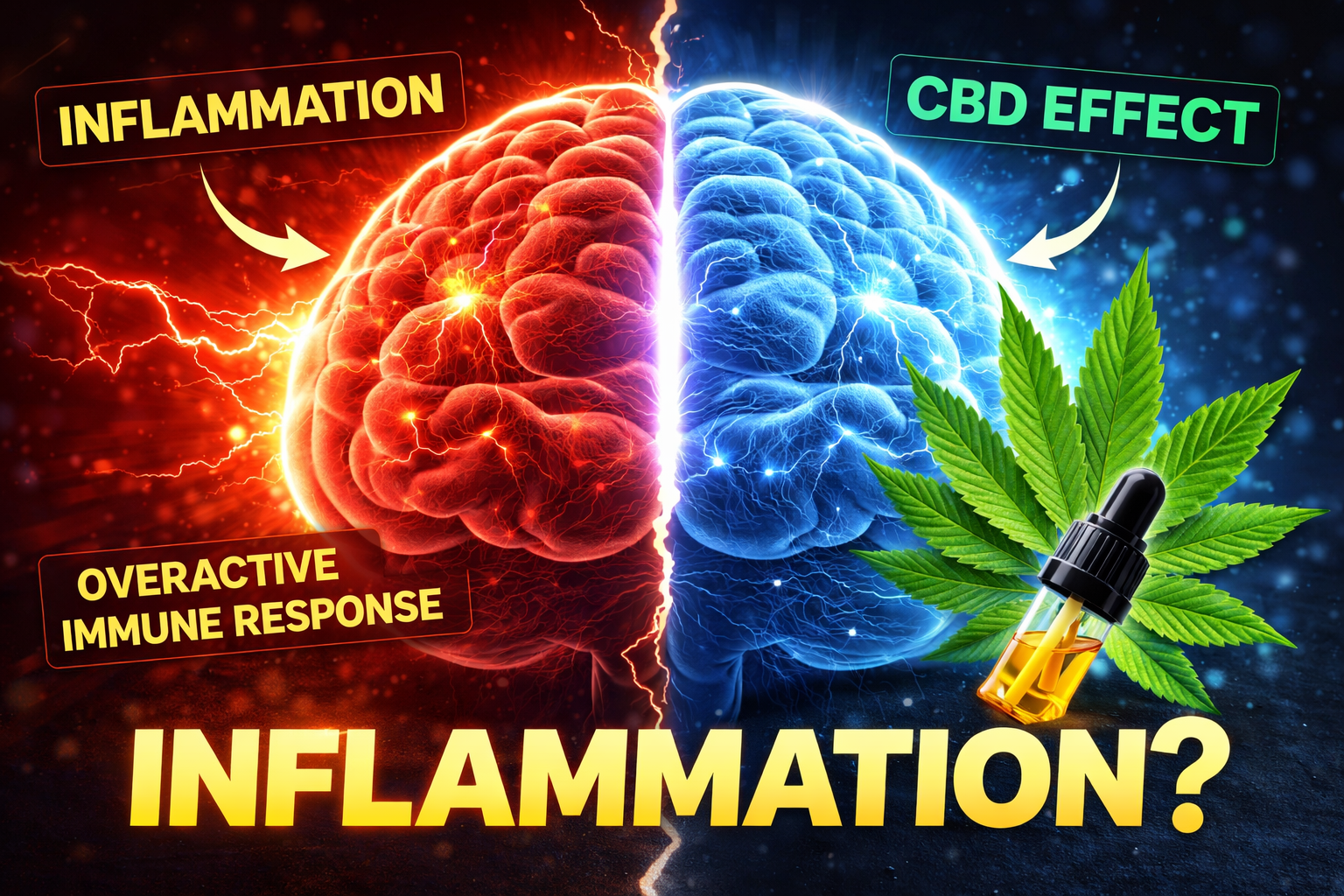
Traditionally, inflammation has been looked at as if it were a symptom of Alzheimer’s. But… researchers at Augusta University are arguing that chronic neuroinflammation is actually a core driver of the disease (along with other factors).

Translating that into dicey but everyday language, they’re starting to come around to the idea that inflammation is more of a contributing cause, not an effect.

Recall that, in general, “inflammation” is one of the body’s responses to illness or injury. In parts of our bodies we can see – an elbow, for instance (or…almost see!) – inflammation is what causes the hurt area to feel hot and painful, look red, swell in size, and so on.

Inflammation is often associated with loss of function. If your elbow is injured or inflamed, you can’t expect to be playing racquetball anytime soon.

Well… In Alzheimer’s disease, inflammation has to do with the brain’s immune system becoming chronically overactive. The brain gets stuck in a state of chronic immune activation. Yes, your brain can get inflamed, too.

This can also start a chemical chain reaction where usually functional neuronal “signals” begin to cause damage to nerve cells, instead of protecting them.

As a technical point, though, we don’t want to confuse inflammation (in the sense of haywire immune signaling and cellular activation) with what doctors call edema (i.e., large-scale fluid accumulation that increases pressure within the skull).

Think of it like this.

Your brain has a specialized immune system.

When it senses trouble, it sends out “first responders” like microglia and astrocytes.

In a healthy brain, these get to the scene of the accident, bandage the wounded, clean up, and go home.

But in Alzheimer’s, these cells get stuck in the “on” position. The emergency situation just goes on and on.

They stay “agitated,” and end up releasing toxic chemicals that (accidentally) kill the very neurons they were summoned to protect.

And this is where CBD enters the picture.

Science: IDO and cGAS

The study in question was led by Dr. Babak Baban. He and his team set out to see if cannabidiol, abbreviated “CBD,” could (so to speak) step into this mess as a peacekeeper.

CBD is already well known for its anti-inflammatory properties.

The researchers used a mouse model specially designed to mimic Alzheimer’s in humans.

They had these mice inhale CBD daily for four weeks. What they found wasn’t just “general” improvement. They identified two specific molecular “switches” that CBD was able to flip.

Two Molecular Switches

The first is an enzyme called IDO. It’s involved in how the brain processes tryptophan. You know, the essential amino acid that’s found in poultry – like your Thanksgiving turkey – which, by the way, has a largely undeserved “bad rep” for supposedly causing the “turkey coma” after you indulge. But that’s another story.

When overactive, IDO can shift tryptophan metabolism toward compounds that promote inflammation and neurotoxicity.

The second switch is a sensor called cGAS. This is basically a DNA-sensing pathway that can trigger powerful innate immune responses when activated.

In the Alzheimer’s-affected brains, both of these pathways were screaming at full volume.

But after the CBD treatment, the expression of IDO and cGAS dropped significantly.

Specifically, it quiets down the brain inflammation including in regions like the entorhinal cortex — a region critical for memory formation, and one of the first areas affected in Alzheimer’s.

By calming these two pathways, the CBD essentially told the brain’s immune system to “stand down.”

Results: Memory and Behavior

So, the biology changed, but did the behavior change? The symptoms?

Those are the “big” questions.

And the answer was… yes.

Remember, this is so far only demonstrated in animal studies. But…

The mice treated with CBD performed significantly better on recognition memory tests. And they showed more “exploratory behavior” than the untreated group. They weren’t just neurologically “calmer”; which researchers interpreted as improved cognitive function.

But here’s why this study is particularly exciting for the future of human medicine.

CBD appears to be a “multi-target” intervention.

While this specific study focused on inflammation, Dr. Baban’s team noted that their earlier work showed CBD may also influence plaque and tangle pathology through different mechanisms.

This is to say that, instead of a drug that only does one thing, we’re looking at a compound that might clear the trash, quiet the alarms, and protect the neurons all at the same time.

And notably, it’s derived from a plant.

Conclusion: The Road Ahead

Now. We have to be realistic.

This was only one study.

On mice.

While mouse models are essential for understanding these brain “switches” in a generic sense, humans — and our brains — are much more complex.

We still need rigorous human clinical trials to see if these results translate, what the right dosage is, and if long-term use is safe for seniors.

But…

If this line of research holds up, it changes the entire strategy.

Not just clearing damage — but preventing it at the source.

Not a single target — but an entire system reset.

And that raises a bigger question: Have we been looking for a silver bullet… when Alzheimer’s is really a systems-level failure?

If so, the future of treatment may not look like a drug that does one thing — but a therapy that brings the brain back into balance.

The question is: are we ready to rethink everything?

Including that an answer to one of our most complex diseases might be found in the chemistry of one of our most misunderstood plants.

What are your thoughts? Do you think the future of Alzheimer’s treatment lies in CBD, or are you still skeptical of cannabis-based medicine? Or are you more skeptical of pharmaceutical treatments? I’d love to read your comments.

By the way, if you’re interested in this idea of multi-target therapies, we’ve explored it before. In one video, we break down how CBD and THC interact with the brain.

And in another, we look at the controversial research into Lysergic acid diethylamide (or “LSD” and dementia — where, interestingly, a similar “systems-level” approach has been proposed. So if this direction intrigues you, those are worth watching next.

Alzheimer’s Isn’t Just Plaques — Brain ‘Cleanup’ May Be FAILING

Introduction: The Mechanism of Amyloid Clearance

AT A GLANCE: Amyloid‑β plaques = a hallmark of Alzheimer’s disease; Most drugs target plaques directly

Alzheimer’s may involve a failure of brain “cleanup,” not just toxic buildup.

What if Alzheimer’s isn’t just caused by toxic buildup in the brain — but by the brain’s own cleanup crews being quietly dismantled from the inside?

If you’ve been around the block, when it comes to Alzheimer’s, you probably realize that a primary “pathological hallmark” is the accumulation of – what are called – “amyloid-beta plaques” within the brain.

  • AT A GLANCE: What if the problem is impaired clearance—not just plaque formation?

For over a century — since Alzheimer’s was first described in 1906 — drug development has largely focused on stopping plaque formation or clearing plaques after they appear.

And a critical area of this investigation involves taking a close look at the brain’s innate ability to clear these toxic proteins.

Recent research from the Indiana University School of Medicine has identified a specific enzyme that, when it is present, appears to be a factor when someone’s brain-clearing mechanisms go haywire.

And, in this video, we’ll look at a CliffsNotes’ version of the results.

https://www.youtube.com/embed/t0G-diPs2yU?si=lXQ5cl1JulI-IZmt

  • AT A GLANCE: IDOL = Inducible Degrader of the LDL receptor controls how many LDL receptors remain on brain cells

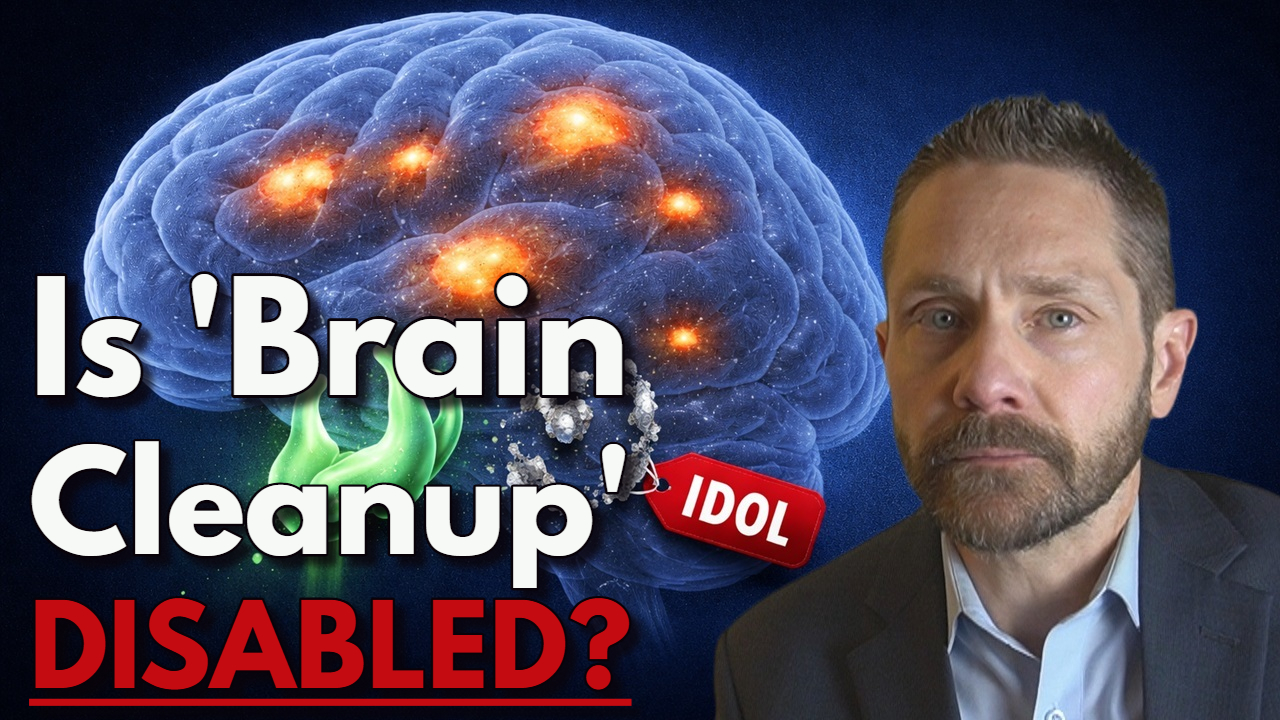
The enzyme is abbreviated I‑D‑O‑L, or “IDOL,” short for “Inducible Degrader of the LDL receptor.” That expression (a mouthful, for sure) designates a protein that controls how many LDL receptors survive on the surface of brain cells.

But… what the heck is it? And, more importantly, how would its inhibition (quote, unquote) represent a promising shift in doctors might approach Alzheimer’s treatments?

The Molecular Rôle of “IDOL”

  • AT A GLANCE: Receptors = cellular “locks” that trigger actions

To even begin to understand this discovery — and to be perfectly honest, that’s about the most ambitious goal I can realistically aim for — we need to talk about something called a low‑density lipoprotein, or “LDL,” receptor.

First, in the relevant context, a “receptor” is a protein on a cell — or in a cell — that acts like a lock. When the right chemical “key” comes along, that lock opens and tells the cell to do… something.

  • AT A GLANCE: LDL receptors pull material into cells for use or disposal

An LDL receptor is one of these locks. Its job is to grab so‑called “bad” cholesterol — LDL — and pull it into cells so it can be used or gotten-rid-of.

Think of it like a trash‑pickup claw that grabs garbage from the streets of the body and pulls it inside for disposal.

  • AT A GLANCE: In the brain, LDL receptors help manage APOE and amyloid‑β

In the central nervous system, LDL receptors also play a crucial role in regulating APOE, a protein involved in the transport and clearance of amyloid‑beta.

So far, so good?

  • AT A GLANCE: IDOL tags LDL receptors for destruction

Now for this IDOL business.

IDOL is not a receptor itself. It’s a protein that comes along and “tags” LDL receptors for destruction — that’s the “inducible degrader” part of its full name.

  • AT A GLANCE: Overactive IDOL à fewer LDL receptors; (-) Amyloid clearance à (+) plaque buildup

It’s like removing the trash‑pickup claws and throwing them away instead of the “bad” cholesterol. Reducing the number of LDL receptors on cell surfaces is a bit like getting rid of trash trucks in the heart of a crowded city. It’s not good.

When IDOL becomes overactive, too many LDL receptors are destroyed, weakening the brain’s ability to clear APOE and toxic amyloid‑beta proteins. This allows plaques to accumulate and neurodegeneration to accelerate.

In effect, an overactive cellular “shutdown switch” disables the brain’s cleanup crews at precisely the moment they’re needed most.

Receptor Inhibitors — and Why IDOL Is Different

  • AT A GLANCE: IDOL inhibitors protect receptors; They stop destruction — not signaling

At this point, it helps to understand what scientists mean by a “receptor inhibitor.” Usually, a receptor inhibitor blocks a lock so that even when the correct key shows up, the cell can’t respond. But that’s not quite what’s happening here.

An IDOL inhibitor doesn’t block the lock — it stops the demolition crew from tearing the lock off the door. In other words, inhibiting IDOL prevents LDL receptors from being destroyed, allowing the brain’s cleanup machinery to stay in place and keep doing its job.

IDOL Proteins Aren’t the Problem in and of Themselves

Let’s register a couple caveats.

Number one, it’s important to understand that IDOL proteins aren’t “bad” in and of themselves. They’re normal control mechanisms within the complex anatomy-biology of the body.

And they don’t come from “outside.” Your own cells make IDOL proteins automatically.

  • AT A GLANCE: IDOL is a normal control mechanism; Problems arise when it shuts things down too aggressively

Think of their part in in the trash-removal process as akin to that of a “thermostat” that off the air conditioner or furnace when the desired temperature is reached.  When a cell thinks it’s cleaned up enough LDL cholesterol, these IDOL proteins shut down the whole process.

In the context of Alzheimer’s Disease, overactive IDOL proteins lead to a depletion of these trash-removal receptors. In turn, this loss diminishes the brain’s capacity to clear amyloid-beta. And that, researchers, suspect, leads to – or makes worse – the formation of the plaques that lead to neurodegeneration.

Whew!

  • AT A GLANCE: Evidence so far: animal + cellular studies

It’s also important to note that this entire IDOL–LDL receptor mechanism has been demonstrated primarily in animal and cellular studies. While the evidence strongly implicates IDOL in Alzheimer’s pathology, human treatments are still in-process.

Research Findings

Neuronal vs. Microglial IDOL

AT A GLANCE: Microglial IDOL removal à little effect; Neuronal IDOL removal à major plaque reduction]

The study in question was led by Dr. Hande Karahan and Dr. Jungsu Kim, who sought to determine which cell types were most responsible for IDOL-mediated damage. Historically, the scientific community focused on microglia — the brain’s immune cells — as the primary drivers of plaque-clearance.

However, using a series of “knockout models,” the Indiana University team found that removing IDOL from microglia had a negligible effect on plaque levels.

  • AT A GLANCE: “Knockout” = a gene deliberately switched off to study its function

A “knockout model” is a genetically engineered animal — usually a mouse — in which a gene like IDOL is “switched off” so scientists can see how the brain behaves without it.

They take out a gene to see what breaks — or improves — when it’s gone.

When IDOL was “deleted” specifically from neurons, the results were deemed significant. The researchers observed a substantial reduction in amyloid-beta deposition.

  • AT A GLANCE: Lower APOE4 levels observed; APOE4 = strongest genetic risk factor for late‑onset Alzheimer’s

Additionally, the deletion of neuronal IDOL led to a decrease in APOE4 levels. As APOE4 is the most significant genetic risk factor for late-onset Alzheimer’s, this suggests that targeting IDOL could directly mitigate the risks associated with this specific genotype.

Clinical Implications and Synaptic Health

  • AT A GLANCE: IDOL inhibition linked to improved ‘synaptic plasticity’; Healthier connections = better learning & memory support

What distinguishes this research from current treatments — such as antibodies that target existing plaques — is its focus on enhancing the brain’s internal environment.

The researchers also observed a second effect – beyond reducing toxic amyloid-beta. This is to say that inhibiting IDOL was also associated with improvements in synaptic plasticity — the brain’s ability to adjust and strengthen connections involved in learning and memory.

It refers to how the brain “rewires” itself.

Conclusion: The Path to Small-Molecule Therapeutics

  • AT A GLANCE: Targeting IDOL may improve the brain’s internal environment

From a pharmaceutical perspective, the IDOL enzyme is a highly viable (read: commercially promising) target.

So, the upshot is that drug-researchers believe they may be able to engineer an oral medication capable of inhibiting the trash-removal inhibition!

  • AT A GLANCE: Goal: oral drugs that cross the blood‑brain barrier; Less invasive than antibody infusions

From a cost-per-treatment standpoint, this would an advancement over the current method, which requires expensive – and invasive – intravenous infusions required to deliver antibody treatments to try to dissolve plaques.

The Indiana University School of Medicine team is still a “preclinical” phase. Its focus is on screening for “small molecules” that can effectively cross the blood-brain barrier to inhibit IDOL. While further trials are obviously necessary, this research provides a roadmap for a new generation of Alzheimer’s therapies.

For those you still here, thank you for sticking with it! I know it was heavy-going.

If you’d like to dig deeper, here’s a link to the original study — because this is one of those cases where the data itself really is the story.

https://alz-journals.onlinelibrary.wiley.com/doi/10.1002/alz.70949
https://medicine.iu.edu/news/2026/02/alzheimers-drug-discovery-pathway-2026